
How We Design and Build Games for Web3 Communities and Real Players
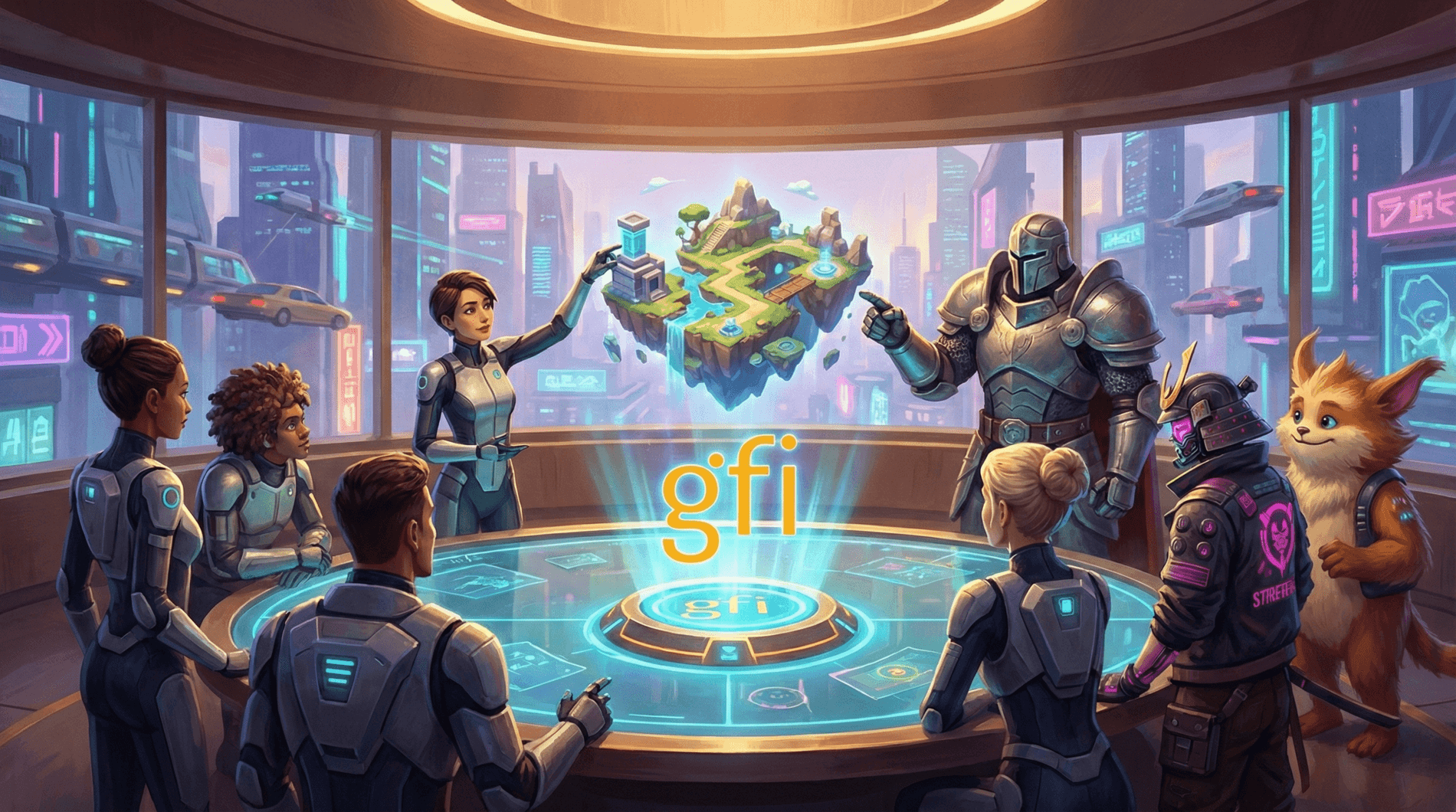
Game development in the Web3 era is no longer just about visuals or mechanics, it’s about ownership, community, and long-term engagement. At GFI, we believe great Web3 games are built by putting real players and real communities at the center of every decision. Our design and development process blends traditional game design principles with modern Web3 innovation to create experiences that players genuinely care about.
Starting With Players, Not Just Technology
Every successful game begins with understanding its players. Before we write a single line of code or choose a blockchain, we focus on who the game is for and why they’ll keep playing.
We study player motivations, community behavior, and gameplay preferences to ensure the experience feels fun first not forced by technology. Web3 elements like tokens, NFTs, or on-chain assets are introduced only when they enhance gameplay, not distract from it.
Our goal is simple: build games that players would enjoy **even without Web3**, and then use Web3 to make them better.
Web3 should empower players, not overwhelm them. When gameplay comes first, communities naturally grow around it.
- GFI Game Design Team
Designing Games Around Community Interaction
Web3 games thrive on community. Unlike traditional games where players are consumers, Web3 players are often contributors, holders, and advocates. That’s why we design systems that encourage interaction beyond gameplay.
This includes:
- Community-driven progression systems
- Social mechanics that reward collaboration
- In-game events shaped by player participation
By giving communities a voice—through governance, feedback loops, or shared ownership, we help transform players into long-term stakeholders who care about the game’s future.
Balancing Web3 Mechanics With Core Gameplay
One of the biggest challenges in Web3 gaming is balance. Too much focus on earning can hurt gameplay; too little can make Web3 feel pointless. We carefully integrate blockchain features so they feel natural and meaningful.
Our approach includes:
- Fair token economies tied to skill and engagement
- Asset ownership that impacts gameplay, not speculation
- Clear progression systems that reward time and mastery
This balance ensures the game remains competitive, fun, and sustainable—avoiding the pitfalls of pay-to-win or short-term hype cycles.
Building With Scalability, Security, and Performance in Mind
Behind every great Web3 game is a strong technical foundation. We build with scalability and performance as top priorities, ensuring smooth gameplay even as communities grow.
Our development process focuses on:
- Optimized game engines and lightweight architectures
- Secure smart contract integration
- Seamless onboarding for non-crypto players
By reducing friction, we make Web3 games accessible to both experienced blockchain users and traditional gamers alike.
Conclusion
Designing and building games for Web3 communities requires more than technical knowledge, it demands a deep understanding of players, culture, and long-term value. At GFI, we combine player-first design, community-driven thinking, and solid engineering to create games that last.
As Web3 gaming continues to evolve, we remain focused on building experiences that feel human, engaging, and rewarding-games that players don’t just play, but truly belong to.
Where Indie Game Development Is Headed in the New Web3 Gaming Era
How We Design and Build Games for Web3 Communities and Real Players
Search
Categories
Latest News
 How GameFi Is Changing the Way Players Own, Play, and Earn in Games
How We Design and Build Games for Web3 Communities and Real Players
How GameFi Is Changing the Way Players Own, Play, and Earn in Games
How We Design and Build Games for Web3 Communities and Real Players
 Where Indie Game Development Is Headed in the New Web3 Gaming Era
 Game Spotlight: A Closer Look at Innovative Indie Titles
 What Makes a Game Successful in Today’s Market